%20--%3e%3csvg%20version='1.1'%20id='Layer_1'%20xmlns='http://www.w3.org/2000/svg'%20xmlns:xlink='http://www.w3.org/1999/xlink'%20x='0px'%20y='0px'%20viewBox='0%200%20546.4%2051'%20style='enable-background:new%200%200%20546.4%2051;'%20xml:space='preserve'%3e%3cstyle%20type='text/css'%3e%20.st0{fill:%23172A80;}%20.st1{fill-rule:evenodd;clip-rule:evenodd;fill:%23F5A623;}%20%3c/style%3e%3cg%3e%3cpath%20class='st0'%20d='M14.9,9.1H0V1.2h38.4v7.8H23.5v40.7h-8.6V9.1z'/%3e%3cpath%20class='st0'%20d='M53,1.2h7.5l20.9,48.5h-9.9L67,38.7H45.9l-4.4,11.1h-9.7L53,1.2z%20M64,31.3l-7.5-19.7l-7.6,19.7H64z'/%3e%3cpath%20class='st0'%20d='M86.1,1.2h11.5l23.5,36.1h0.1V1.2h8.6v48.5h-11l-24-37.2h-0.1v37.2h-8.6V1.2z'/%3e%3cpath%20class='st0'%20d='M183.2,46.2c-6,3.2-12.7,4.8-20.1,4.8c-3.7,0-7.2-0.6-10.3-1.8c-3.1-1.2-5.8-2.9-8.1-5.1c-2.3-2.2-4-4.9-5.3-8%20c-1.3-3.1-1.9-6.6-1.9-10.4c0-3.9,0.6-7.4,1.9-10.6c1.3-3.2,3.1-5.9,5.3-8.1c2.3-2.2,5-4,8.1-5.2c3.1-1.2,6.6-1.8,10.3-1.8%20c3.7,0,7.2,0.4,10.4,1.3c3.2,0.9,6.1,2.5,8.7,4.8l-6.4,6.4c-1.6-1.5-3.4-2.7-5.7-3.5c-2.2-0.8-4.6-1.2-7-1.2%20c-2.5,0-4.8,0.4-6.8,1.3c-2,0.9-3.8,2.1-5.2,3.7c-1.5,1.6-2.6,3.4-3.4,5.5c-0.8,2.1-1.2,4.4-1.2,6.8c0,2.6,0.4,5,1.2,7.2%20c0.8,2.2,1.9,4.1,3.4,5.7c1.5,1.6,3.2,2.9,5.2,3.8c2,0.9,4.3,1.4,6.8,1.4c2.2,0,4.3-0.2,6.2-0.6c1.9-0.4,3.7-1.1,5.2-1.9V29.2h-9.9%20v-7.8h18.6V46.2z'/%3e%3cpath%20class='st0'%20d='M190.1,25.7c0-3.9,0.6-7.4,1.9-10.6c1.3-3.2,3.1-5.9,5.3-8.1c2.3-2.2,5-4,8.1-5.2C208.5,0.6,212,0,215.7,0%20c3.8,0,7.3,0.5,10.4,1.7s5.9,2.9,8.2,5.1c2.3,2.2,4.1,4.9,5.3,8.1c1.3,3.2,1.9,6.7,1.9,10.6c0,3.8-0.6,7.2-1.9,10.4%20c-1.3,3.1-3.1,5.8-5.3,8c-2.3,2.2-5,4-8.2,5.2s-6.6,1.9-10.4,2c-3.7,0-7.2-0.6-10.3-1.8c-3.1-1.2-5.8-2.9-8.1-5.1%20c-2.3-2.2-4-4.9-5.3-8C190.7,33,190.1,29.5,190.1,25.7z%20M199.1,25.2c0,2.6,0.4,5,1.2,7.2c0.8,2.2,1.9,4.1,3.4,5.7%20c1.5,1.6,3.2,2.9,5.2,3.8c2,0.9,4.3,1.4,6.8,1.4c2.5,0,4.8-0.5,6.9-1.4c2.1-0.9,3.8-2.2,5.3-3.8c1.5-1.6,2.6-3.5,3.4-5.7%20c0.8-2.2,1.2-4.6,1.2-7.2c0-2.4-0.4-4.7-1.2-6.8c-0.8-2.1-1.9-3.9-3.4-5.5c-1.5-1.6-3.2-2.8-5.3-3.7c-2.1-0.9-4.3-1.3-6.9-1.3%20c-2.5,0-4.8,0.4-6.8,1.3c-2,0.9-3.8,2.1-5.2,3.7c-1.5,1.6-2.6,3.4-3.4,5.5C199.5,20.5,199.1,22.7,199.1,25.2z'/%3e%3c/g%3e%3cg%3e%3cg%3e%3cpath%20class='st0'%20d='M268.8,1.2H301v7.8h-23.5V21h22.3v7.8h-22.3V42h24.8v7.8h-33.4V1.2z'/%3e%3cpath%20class='st0'%20d='M378.8,9.1h-14.9V1.2h38.4v7.8h-14.9v40.7h-8.6V9.1z'/%3e%3cpath%20class='st0'%20d='M407.5,1.2h32.2v7.8h-23.5V21h22.3v7.8h-22.3V42h24.8v7.8h-33.4V1.2z'/%3e%3cpath%20class='st0'%20d='M448.7,1.2h11.5l23.5,36.1h0.1V1.2h8.6v48.5h-11l-24-37.2h-0.1v37.2h-8.6V1.2z'/%3e%3cpath%20class='st0'%20d='M502.6,1.2h19.1c3.2,0,6.3,0.5,9.3,1.5c3,1,5.6,2.5,7.9,4.5c2.3,2,4.1,4.5,5.5,7.6c1.4,3,2.1,6.6,2.1,10.7%20c0,4.2-0.8,7.8-2.4,10.8c-1.6,3-3.6,5.6-6.1,7.5c-2.5,2-5.3,3.5-8.3,4.5c-3,1-6,1.5-8.9,1.5h-18.1V1.2z%20M517.7,42%20c2.7,0,5.2-0.3,7.6-0.9c2.4-0.6,4.5-1.6,6.3-2.9c1.8-1.3,3.2-3,4.2-5.1c1-2.1,1.5-4.6,1.5-7.6c0-2.9-0.5-5.4-1.4-7.5%20c-0.9-2.1-2.2-3.8-3.8-5.1c-1.6-1.3-3.5-2.3-5.8-2.9c-2.2-0.6-4.7-0.9-7.3-0.9h-7.9V42H517.7z'/%3e%3c/g%3e%3cg%3e%3cpolygon%20class='st0'%20points='348.8,1.3%20338.5,17%20328.3,1.3%20315.8,1.3%20332.1,25.1%20315.1,49.8%20327.3,49.8%20338.2,33.2%20349.1,49.8%20361.6,49.8%20344.7,25%20360.9,1.3%20'/%3e%3cg%3e%3cpolygon%20class='st1'%20points='306.4,1.2%20322,25%20305.4,49.9%20310.2,49.9%20327,25%20311.2,1.2%20'/%3e%3c/g%3e%3c/g%3e%3c/g%3e%3c/svg%3e)
HOSPITALITY USE CASE
Security and Night Duty
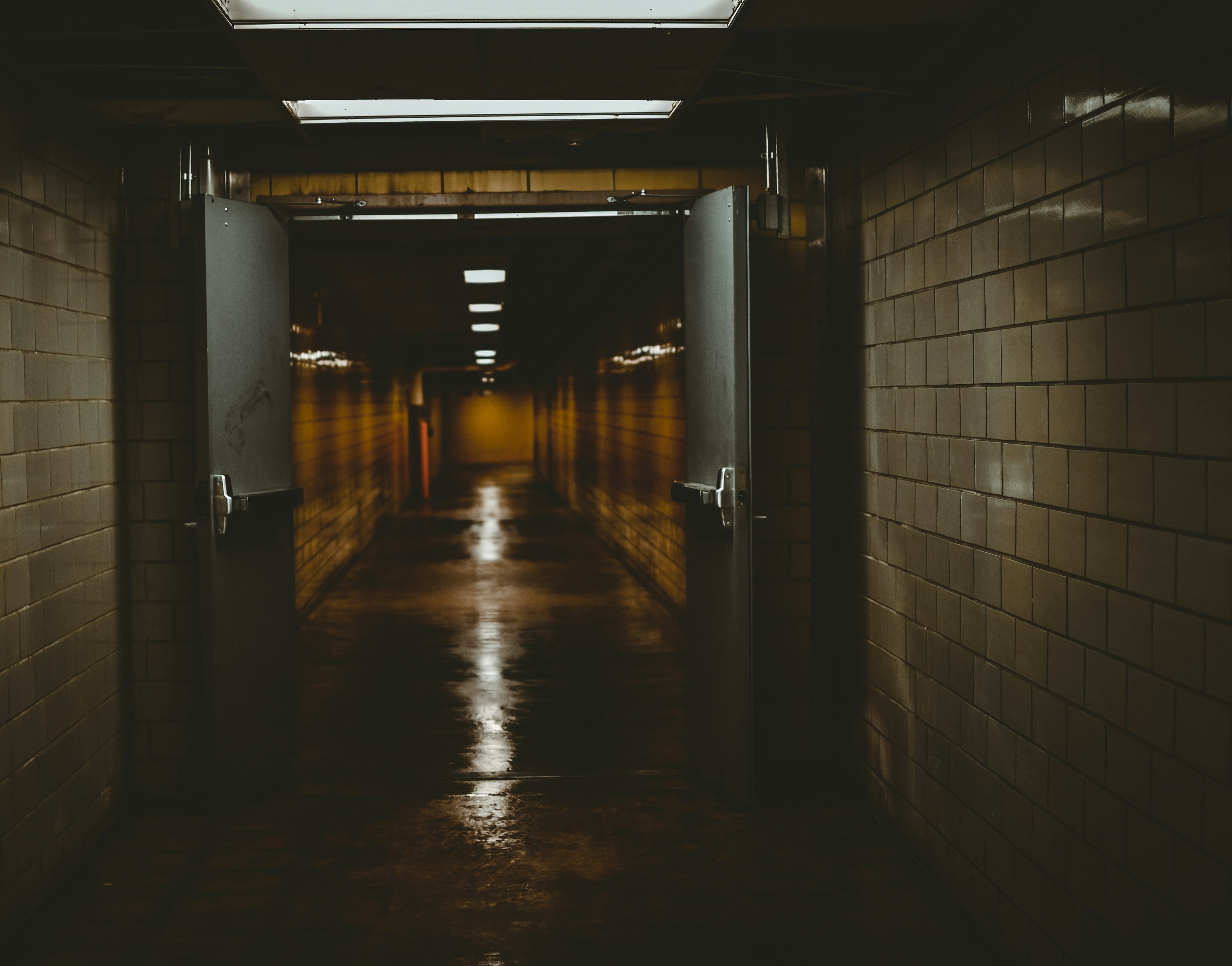
Overnight, a property runs on very few people. A night manager, a night auditor and one or two security officers cover a building, its grounds and its car parks between them, and for most of that shift they are working alone in places nobody else is.
They are reachable on a radio channel that nothing logs, and on each other's personal mobiles. This use case sets out what changes when the property's line sits on the phone they already carry.
At-a-Glance
- Sector
- Hospitality
- Department
- Security and night operations
- Setting
- Property, grounds and car parks, overnight
- Deployment
- Business line on staff-owned handsets
- Platform
- The property's existing UC platform
Solution Highlights
- One number the night team both hold
- Coverage across grounds and car parks
- Overnight calls on the platform's record
- Escalation reaches a person, not a channel
The Challenge
Overnight cover is a lone-working arrangement in everything but name. An officer patrolling a car park or a plant area is out of sight of colleagues, often out of radio range, and the only person who would notice a problem is a night manager who cannot easily reach them either.
The record is the second gap. Radio traffic leaves nothing behind, so an incident overnight is reconstructed the following morning from memory and a handwritten log. If a guest, an insurer or a regulator asks who was told what and when, the property has very little to show them.
The Solution
The night team carries a business line on their own handsets, delivered by eSIM. Each is an extension of the property's phone system, so the night manager, the front desk and the duty rota can reach an officer directly rather than calling into a channel and hoping.
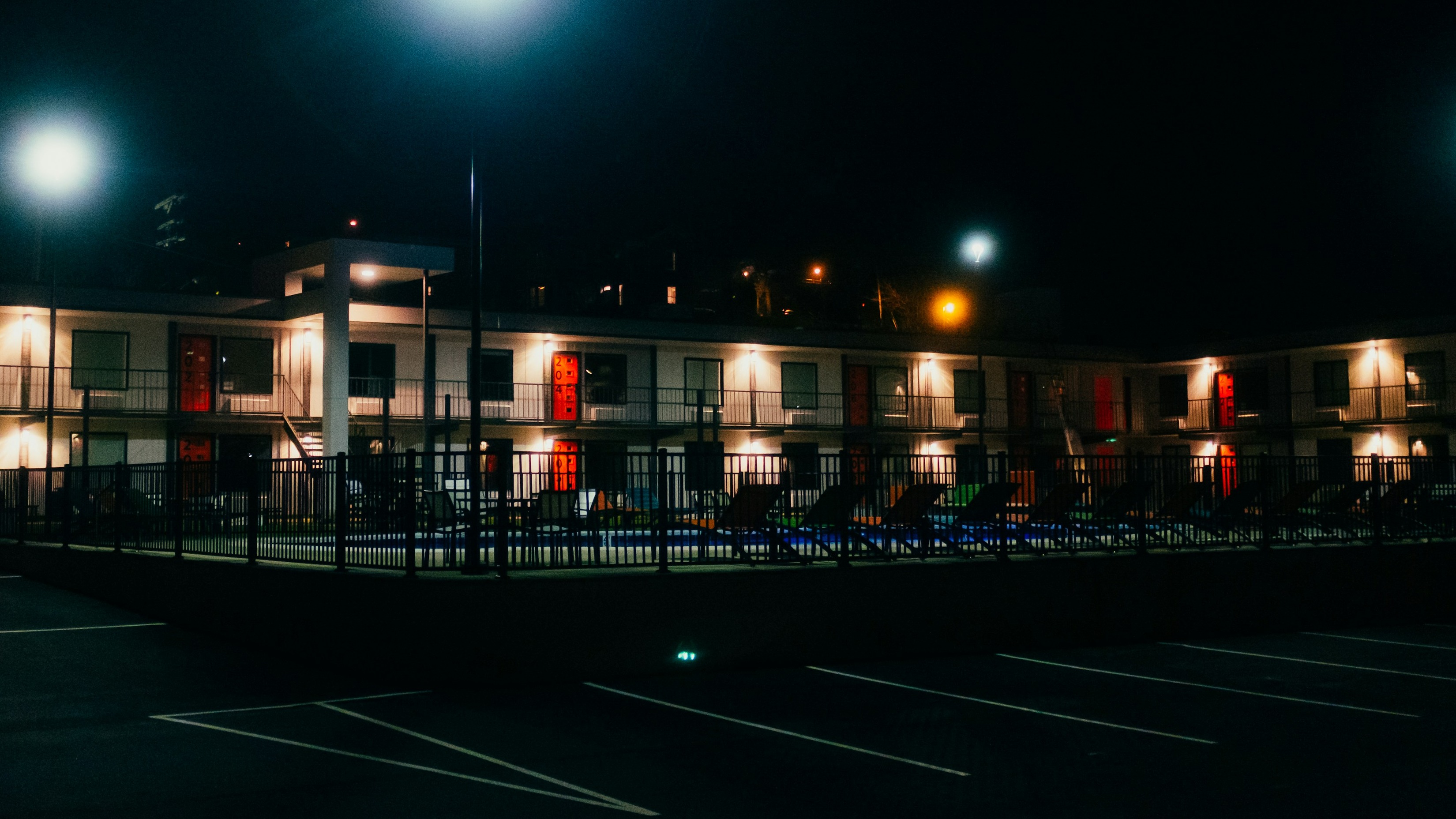
Coverage follows the mobile network rather than a hand-held radio, which reaches the far end of a car park, a service yard and a detached building without another repeater to install and maintain.
Escalation becomes routing. An overnight call can ring one officer, then a second, then a duty manager off site, in the order the property decides, and every step of that sits in the same call record as the rest of the estate's traffic.
What Changes
The first change is that the person working alone is individually reachable, from inside the phone system, wherever on the property they are.
The second is the record. An overnight incident has call activity behind it with times attached, rather than a handwritten log written up at the end of a shift.
The third is escalation. Getting hold of somebody off site stops depending on which personal mobile number the night manager happens to have, and becomes a routing rule that works the same way every night.
Key Changes
- Lone workers individually reachable
- Coverage without additional repeaters
- Overnight activity on the call record
- Off-site escalation by routing, not by memory
Assessment
Nine questions about your own property. The ones you can't answer are the ones worth looking into.
How it works today
- How does the night manager reach an officer on patrol?
- Where on the grounds does your radio stop working?
- How is somebody off site reached at three in the morning?
What it is costing
- What record exists of overnight communications today?
- How many personal mobile numbers does the night team rely on?
- How much overnight activity appears in your reporting?
What would change
- What would you produce if an overnight incident were investigated?
- How would you know an officer had not answered?
- Which patrol area would you test coverage in first?
Overnight is when a property has the fewest people, the largest area to cover and the least visibility of what is happening. Putting the night team on the phone system rather than a radio channel makes them individually reachable and puts the shift on the record.
Call recording supports an investigation; it does not conduct one. What the property gains is evidence it did not previously hold.
Looking Ahead
Learn More
Visit tango-networks.com or contact your local Tango Extend partner
for a personalised demonstration.
Version 1.0 · August 2026